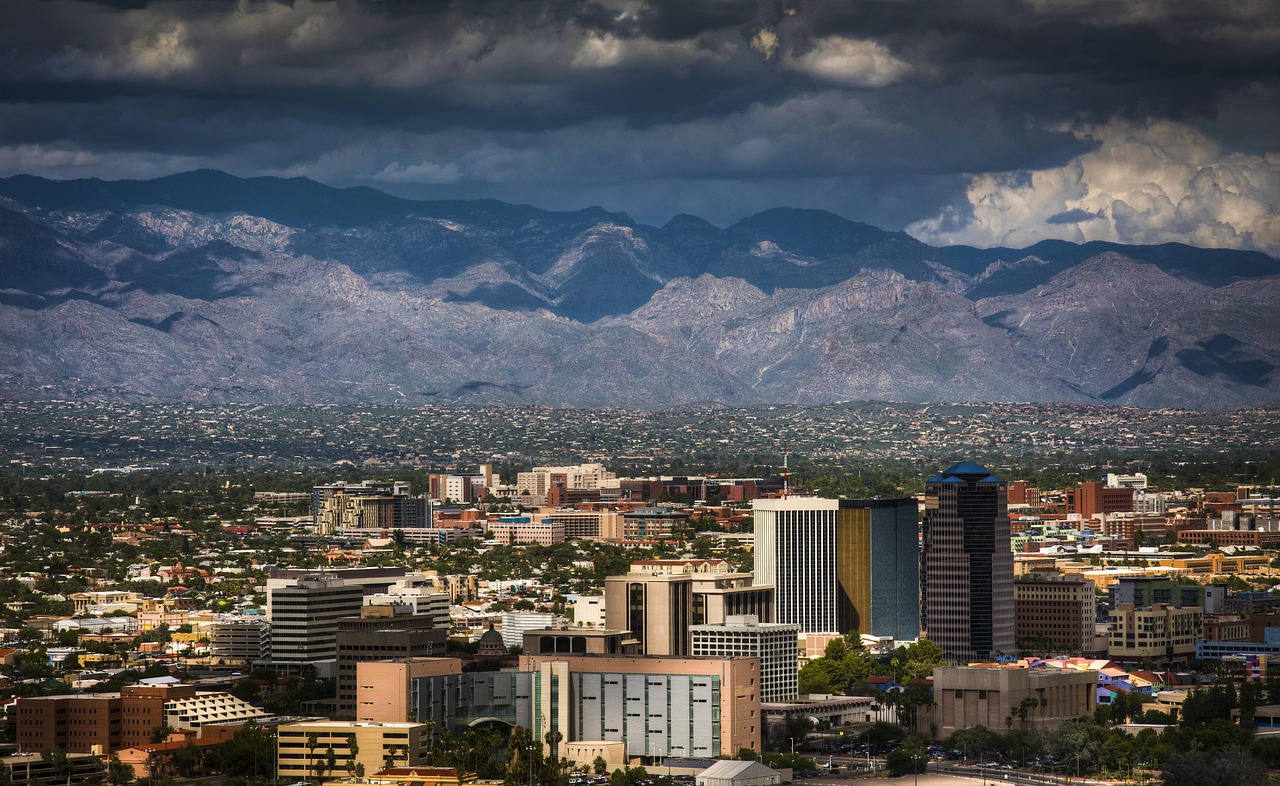
Tucson, Arizona stays on Mountain Standard Time (MST) all year. When the rest of the United States springs forward in March or falls back in November, clocks in Tucson don't move an inch. This permanent stance keeps life simple for locals, but it creates a confusing puzzle for travelers and remote workers trying to keep track of meeting times.
The primary reason Tucson and the rest of Arizona ignore daylight saving time comes down to sheer summer heat and energy consumption. Standardizing time year-round avoids pushing hot evening sunlight later into the night, keeping power grids from buckling under heavy air conditioning demands. Understanding how this schedule works prevents missed flights and awkward scheduling errors.
Why Tucson Skips Daylight Saving Time
Most of the United States adopted daylight saving time through the Uniform Time Act of 1966 to cut down on artificial lighting and save energy. However, the federal law allowed individual states to opt out. Arizona legislators quickly took advantage of that exemption in 1968, putting the state on a permanent standard time track.
Summer temperatures in Tucson frequently climb past 100 degrees Fahrenheit. Pushing the clock forward would mean an extra hour of intense sunlight late into the evening, forcing residents to run air conditioners at maximum capacity during the hottest part of the day. State leaders realized early on that the energy savings seen in northern states didn't apply to the desert. Instead of saving power, shifting clocks in Arizona increased electricity demand.
How Tucson Time Shifts Relative to the Rest of the Country
Because Tucson never moves its clocks, the city's relationship with other time zones changes twice a year. The city doesn't change; everyone else does.
During the winter months, from November to March, Tucson aligns with Denver and Salt Lake City on Mountain Standard Time (UTC-7).
During the summer months, from March to November, the rest of the Mountain Time Zone shifts to Mountain Daylight Time (UTC-6). Because Tucson stays put, it effectively matches Pacific Daylight Time (UTC-7) during these months. If you live in Los Angeles or Seattle, you share the exact same time as Tucson all summer long.
Exceptions Within Arizona: The Navajo Nation
While Tucson and roughly 99 percent of the state ignore seasonal clock changes, a major exception exists in the northeastern corner of Arizona. The Navajo Nation spans across Arizona, New Mexico, and Utah, and the entire tribal nation observes daylight saving time to maintain a uniform schedule across its borders.
This creates bizarre geographic quirks. For instance, the Hopi Reservation sits entirely surrounded by the Navajo Nation. The Hopi follow Arizona's rule and do not observe daylight saving time. Traveling through northeastern Arizona can require changing your watch multiple times within a short drive as you cross back and forth between tribal jurisdictions. Fortunately, Tucson sits far south of these reservations, keeping daily life uncomplicated for local residents.
Practical Tips for Managing Tucson Time Remotely
Working with clients or scheduling calls across state lines requires careful attention to the calendar year.
- Check calendar software: Modern smartphones and computers usually handle Tucson time automatically based on your location settings, but manual calendar invites can easily default to Mountain Daylight Time during the summer.
- Double-check meeting times: Between March and November, treat Tucson as if it's on Pacific Time. Between November and March, treat it as Mountain Time.
- Confirm travel itineraries: Airlines, rental car agencies, and hotels operating in Tucson do not change their local operating hours, but your phone might occasionally misread flight departure times if timezone settings aren't locked to Phoenix or Tucson manually.
You can check official federal time standards and global offsets through the National Institute of Standards and Technology to ensure your clocks are synced correctly. For broader geographic context on how regional time boundaries operate, review documentation provided by Time and Date.
Frequently Asked Questions
Does Tucson ever plan to adopt daylight saving time?
State lawmakers regularly introduce bills to revisit the topic, but they consistently fail. Local businesses, school districts, and residents strongly prefer the predictable schedule and the cooler mornings provided by standard time.
How does Tucson time affect live television broadcasts?
Television networks often air prime-time shows at different local hours depending on the season. During the summer, network schedules shift because Tucson aligns with the West Coast, while winter schedules match Mountain Time regions.
Do neighboring states like California or Nevada follow Arizona's example?
No. California, Nevada, and Utah all observe daylight saving time. Arizona remains one of the very few exceptions in the country, alongside Hawaii and U.S. territories like Puerto Rico and Guam.
Will my smartphone automatically update correctly in Tucson?
Yes, as long as your device's location services are enabled and your timezone is set to America/Phoenix rather than a generic Mountain Time setting that adjusts for daylight saving.



