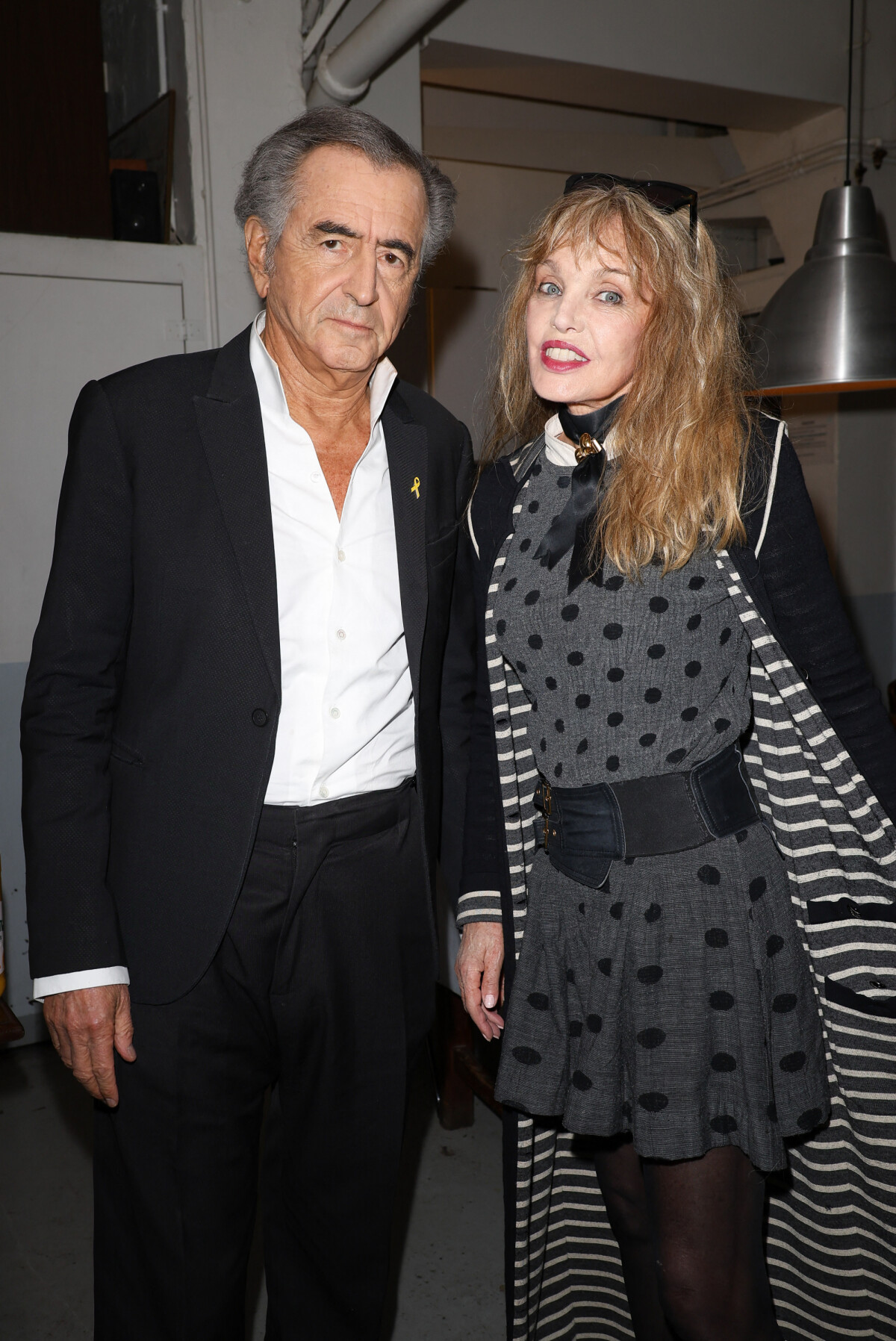
When public curiosity turns toward R&B singer Sunshine Anderson, discussions typically center around her estimated net worth of roughly $2 million. Best known for her breakthrough 2001 hit single "Heard It All Before", Anderson built her financial standing through a combination of album sales, label advances, songwriting royalties, and independent ventures. Unlike pop stars with massive global merchandise empires, her financial profile reflects the classic trajectory of a mid-era R&B artist who scored a major chart-topping debut and sustained a long-tail career in soul music.
Understanding how artists like Anderson accumulate and preserve wealth requires looking past sensationalized headlines and examining the structural realities of the music business. Her earnings stem from foundational periods with major labels like Atlantic Records, subsequent independent releases, and ongoing performance rights organization collections.
The Breakthrough Era and Atlantic Records
The foundation of Sunshine Anderson's net worth was laid in the late 1990s and early 2000s. Discovered while attending North Carolina Central University, she transitioned from a corporate human resources role in Washington, D.C. to signing with Atlantic Records via producer Mike City.
Her debut studio album, Your Woman, arrived in April 2001 and performed exceptionally well on the commercial charts. It debuted at number eight on the Billboard 200 and number two on the Top R&B/Hip-Hop Albums chart. The lead single, "Heard It All Before," peaked at number eighteen on the Billboard Hot 100 and earned heavy rotation across urban radio stations and MTV.
During this peak era, major record deals typically included financial structures that generated substantial initial capital for artists:
- Record Advances: Upfront capital provided by the label to cover recording costs, living expenses, and production, which had to be recouped through future sales.
- Physical CD Sales: In 2001, the music industry relied heavily on physical compact discs. Your Woman crossed the gold certification threshold, denoting shipments of over 500,000 units in the United States alone.
- Touring and Performance Support: Opening slots and supporting tours during the early 2000s provided immediate performance fees before shifting landscape economics altered touring margins.
Sophomore Releases and Label Transitions
After her initial commercial peak, Anderson navigated structural changes within the music industry. In 2004, she signed with Mathew Knowles' Music World Entertainment, a move aimed at revitalizing her mainstream presence.
Her second studio album, Sunshine at Midnight, dropped in January 2007 and featured singles like "Something I Wanna Give You" and "Force of Nature". While the album charted on the Billboard R&B listings and she embarked on tours with artists like Brian McKnight, the shifting economics of digital downloading meant that mid-tier album releases yielded smaller profit margins compared to the peak CD era of 2001.
Later, Anderson transitioned to Verve Forecast Records to release her third studio album, The Sun Shines Again, in 2010. Operating under boutique or jazz-leaning imprints often grants artists greater creative control and higher percentage shares on independent streams, though aggregate gross revenues are smaller than major-label blitzes.
Royalties, Publishing, and Long-Term Income
A significant portion of a legacy R&B artist's net worth persists through intellectual property. Anderson holds songwriting and composition credits across her discography, meaning she collects mechanical and performance royalties whenever her music is streamed, broadcast on radio, or licensed for film and television.
Performance rights organizations, such as ASCAP, track public broadcasts of musical works and distribute royalties accordingly. Because "Heard It All Before" remains a staple of early 2000s R&B nostalgia playlists, radio rotation, and live DJ sets, it functions as a steady passive income asset. Furthermore, her vocals and songwriting contributions have appeared on various compilation albums and collaborative projects over the years, adding modest supplemental streams to her overall financial portfolio.
Common Misconceptions Regarding Celebrity Net Worths
Internet finance blogs frequently misrepresent celebrity wealth by confusing gross career earnings with current net worth. When evaluating figures reported for artists like Sunshine Anderson, several factors explain the gap between historical revenue and net worth estimates:
- The Recoupment Process: Record label advances are loans against future royalties. Many artists do not see secondary royalty checks until every dollar of production, marketing, and video creation costs is fully repaid to the distributor.
- Operational and Professional Expenses: Managers, booking agents, legal representation, and publicists take percentage cuts—often ranging from 10% to 20% of gross earnings.
- Taxes and Cost of Living: Maintaining a career through decades of industry evolution involves substantial overhead, self-employment taxes, and personal living expenses during periods between album cycles.
Frequently Asked Questions
What is Sunshine Anderson's primary source of wealth?
Her wealth primarily stems from her music career, anchored by the commercial success of her debut album Your Woman and its hit single "Heard It All Before," alongside ongoing songwriting royalties and live performance bookings.
Is Sunshine Anderson still active in the music industry?
Yes. While she has scaled back constant touring compared to her prime years in the 2000s, she continues to engage with her fan base, make selective live appearances, and manage her independent creative catalog.
How much did "Heard It All Before" make?
Exact royalty payouts for individual tracks are private, but the song's widespread radio success, charting peak on the Billboard Hot 100, and persistent streaming presence ensure it remains a reliable long-term revenue generator.
Did Sunshine Anderson write her own songs?
Yes, Anderson is credited as a songwriter and composer on multiple tracks across her discography, allowing her to collect publishing shares in addition to performance royalties.