The Missouri Lottery operates as an official state-run organization that offers draw games, scratch-off tickets, and daily number games while funneling hundreds of millions of dollars into public education. Since ticket sales launched in 1986, the system has generated more than $9 billion for the state, supporting K-12 classrooms, higher education programs, and local retail partnerships. Players interact with a wide portfolio of products ranging from multi-state jackpots like Powerball to instant-win scratch cards purchased at thousands of local convenience stores and gas stations.
Navigating the ecosystem requires understanding how game formats work, where ticket proceeds actually go, and what rules govern prize claims. Whether you're looking at the mechanics of local draw games, verifying winning numbers, or examining state financial allocations, knowing the structural realities helps participants make informed choices.
Understanding Missouri Lottery Game Types
The state offers a diverse mix of entertainment formats designed around different prize structures and play styles. Knowing the distinctions between these categories helps players choose products that fit personal preferences.
Scratchers and Instant Games
Instant-win tickets make up the largest share of annual sales and player payouts. These games feature fixed prize tiers printed behind a latex scratch-off coating.
- Players buy tickets directly from retail counters or self-service vending terminals.
- Prizes range from free ticket vouchers to hundreds of thousands of dollars.
- Once the final top prize for a specific scratch game is claimed, the Missouri Lottery officially closes that game and sets a deadline for remaining lower-tier claims.
Multi-State and In-State Draw Games
Draw games involve selecting numbers or using a quick-pick terminal option for scheduled drawings.
- Powerball and Mega Millions: Massive multi-state jackpots that routinely climb past nine figures, offering lump-sum or annual payout structures.
- MO Millions: A popular state-specific draw game featuring regular drawings, starting jackpots at $1 million, and optional add-ons like EZ Match.
- Pick 3 and Pick 4: Daily number games allowing players to select specific wager types such as straight, box, or combo plays, with drawings held twice daily.
Where Lottery Proceeds Go
A common question among residents concerns the financial destination of ticket revenue. While a large portion flows directly back to players as winnings and local retailers earn commissions for selling tickets, net proceeds are dedicated entirely to public education.
Public Education Funding
Voters passed a constitutional amendment dedicating lottery profits strictly to public education systems across the state. These funds represent roughly three to four percent of total state funding for elementary, secondary, and higher education. The Missouri Legislature appropriates these dollars annually to support specific line items:
- The state Foundation Program supporting general school district operations.
- Public school transportation expenses and classroom trust funds.
- Higher education capital improvements and community college budgets.
Retailer Commissions and Economic Impact
Independent business owners across Missouri act as the frontline distributors for lottery products. Retailers earn direct sales commissions and performance bonuses on ticket transactions. This extra revenue stream helps small convenience stores, grocery outlets, and fuel stations offset operating overhead while drawing consistent foot traffic through their doors.
Claiming Prizes and Tax Rules
Winning a prize requires following strict protocols depending on the dollar amount won. Failing to follow procedural guidelines can result in delayed payouts or forfeited tickets.
Claim Thresholds and Locations
- Prizes up to $600: Can be claimed directly at any authorized lottery retailer across the state.
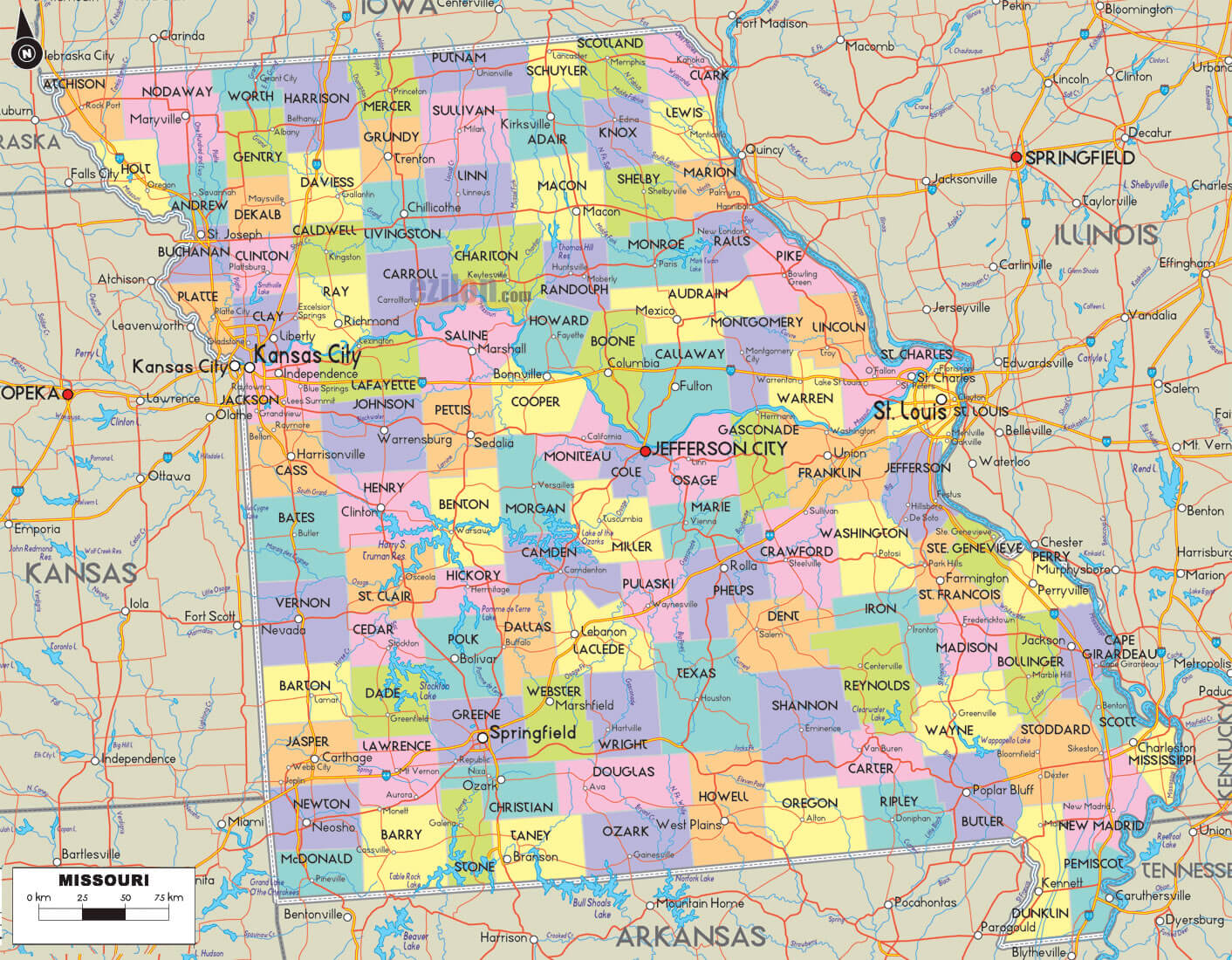
- Prizes from $600.01 to $35,000: Require an in-person appointment at a regional office (located in St. Louis, Kansas City, Springfield, or Jefferson City) or submission by mail with a completed winner claim form.
- Jackpots and Major Prizes: Multi-million dollar prizes demand an in-person visit to the Jefferson City headquarters. Winners must sign the back of the physical ticket immediately and store it securely before filing paperwork.
Tax Withholdings
All lottery winnings are subject to state and federal income taxes. The state automatically withholds a percentage on prizes exceeding $600, while federal thresholds trigger higher mandatory withholdings for major payouts. Winners must also report these earnings on annual tax returns, which may adjust liability depending on individual tax brackets.
Frequently Asked Questions
What is the time limit for claiming a winning ticket?
Players have 180 days to claim a prize. For scratchers, the 180-day clock starts from the official announced end of that specific game. For draw games, the limit is 180 days from the exact date of the winning drawing. Unclaimed funds eventually revert back to education accounts after the window closes.
Can lottery winners remain anonymous in Missouri?
State law dictates that the lottery can only release a winner's name or personal details if the individual provides explicit written consent. Public celebrations and media releases only occur if the player willingly chooses to participate.
What happens if a lottery ticket is lost or stolen?
The Missouri Lottery explicitly states it is not liable for lost, stolen, or damaged tickets. Because tickets operate as bearer instruments—meaning whoever holds the physical paper owns the prize—signing the back immediately upon purchase serves as the primary safeguard for proof of ownership.
How are jackpot cash options calculated?
For multi-state draw games like Powerball, choosing the cash option yields a single lump sum equal to approximately half of the advertised annuity jackpot. This lump sum represents the cash value available from the prize pool before taxes are deducted, whereas the annuity option spreads total payouts across annual installments over three decades.