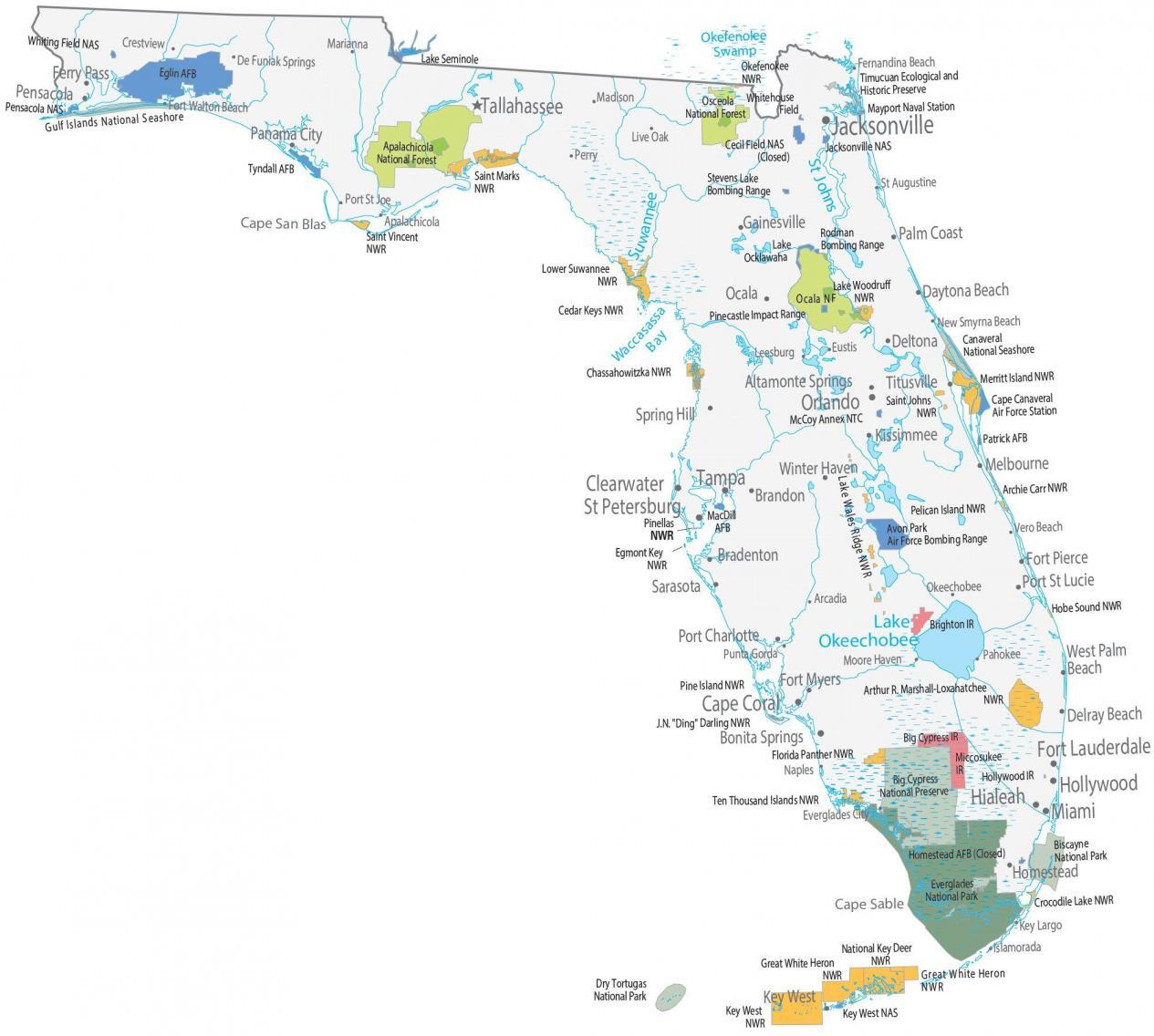
Most people assume that anyone lounging on a Miami beach or visiting theme parks in Orlando shares the exact same clock. That assumption falls apart as soon as you head northwest toward the Florida Panhandle. While the vast majority of the Sunshine State operates on Eastern Standard Time, a distinct slice lives an hour behind.
Understanding how Florida handles time requires looking past the state's vacation marketing and examining a surprisingly complex geographic split. Nine counties and a portion of a tenth run on Central Standard Time, creating localized quirks that catch travelers and commuters off guard every day.
The Two Time Zones of Florida
Florida is split between two distinct time zones: Eastern and Central. This division shapes everything from regional television broadcasts to local commerce near the state borders with Alabama and Georgia.
Eastern Time Zone Coverage
The Eastern Time Zone covers roughly 85 percent of the state's landmass and the vast majority of its population. Major metropolitan areas like Miami, Tampa, Orlando, Jacksonville, and Tallahassee all run on Eastern Time (UTC-5 during standard time and UTC-4 during daylight saving time). If you're visiting the major theme parks, cruising out of Fort Lauderdale, or sunbathing in the Keys, your clocks match New York and Washington, D.C.
Central Time Zone Coverage
The western chunk of the Florida Panhandle shifts to the Central Time Zone (UTC-6 standard, UTC-5 daylight saving). This territory includes major hubs like Pensacola, Panama City, and Fort Walton Beach. Residents here are economically and culturally tied closer to Mobile, Alabama, than to Jacksonville or Miami, sharing TV listings and business hours with the Central time belt.
Where the Time Zone Boundary Actually Runs
The boundary splitting Florida's time zones isn't drawn with a simple straight ruler. Instead, it relies heavily on natural geography and local county lines.
The dividing line primarily follows the Apalachicola River starting from the Georgia border down toward the Gulf of Mexico. When you drive west on Interstate 10, the transition happens right as you cross the river between Gadsden County and Jackson County. A traveler heading westbound across the Dewey M. Johnson Bridge must turn their clock back by one hour.
Things get even more localized further south in Gulf County. Gulf County is uniquely split internally:
- The northern portion of the county follows Central Time.
- The southern portion, including coastal areas like Port St. Joe, observes Eastern Time.
This split means some local residents cross an internal time zone boundary just to run errands between different parts of the same county.
Which Counties Are in Central Time?
If you're planning a road trip along the Gulf Coast or the Panhandle, it helps to know precisely which counties step away from the rest of the state. The counties entirely within the Central Time Zone include:
- Escambia County
- Santa Rosa County
- Okaloosa County
- Walton County
- Holmes County
- Washington County
- Bay County
- Jackson County
- Calhoun County
Gulf County joins this group partially, with its southern and coastal strips tethered to the Eastern zone to accommodate historical railroad and shipping logistics. You can review detailed boundary maps directly via Wikipedia's Time in Florida Guide.
Common Mistakes Travelers Make
Navigating a state with a split time zone invites simple errors that can derail a tight travel schedule.
- Assuming uniform state time: Booking a hotel or a charter boat in Pensacola while thinking it matches Orlando time leads to arriving an hour early or missing an excursion entirely.
- Ignoring smartphone automatic updates: Cell towers near the border frequently bounce signals across time zones. Phones can occasionally jump back and forth, confusing alarms and calendar reminders.
- Forgetting scheduling shifts for local transit: Buses, local government offices, and regional flights operating near the Apalachicola River require double-checking which side of the line appointments are booked on.
To explore more about regional travel logistics and state geography, check resources provided by Visit Florida.
Frequently Asked Questions
Does all of Florida observe Daylight Saving Time?
Yes. Every corner of Florida springs forward in March and falls back in November. While the state legislature voted to pursue year-round daylight saving time under the Sunshine Protection Act, federal congressional approval has never materialized, keeping the seasonal time changes active.
How many counties in Florida are on Central Time?
Nine counties are entirely within the Central Time Zone, and one county (Gulf County) is split internally. The remaining 57 counties operate entirely on Eastern Time.
Why isn't the entire state on the same time zone?
The western panhandle historically grew alongside Alabama and Mississippi rather than the distant South Florida settlements. Commercial ties, railroad routes, and natural river boundaries cemented the division to match local daylight patterns with neighboring trade hubs.
What is the easiest way to avoid missing appointments near the border?
Keep your phone's automatic time zone setting turned on, but pay close attention to physical highway signage. State departments of transportation place clear warning signs letting drivers know when they are about to cross into a different time zone.


