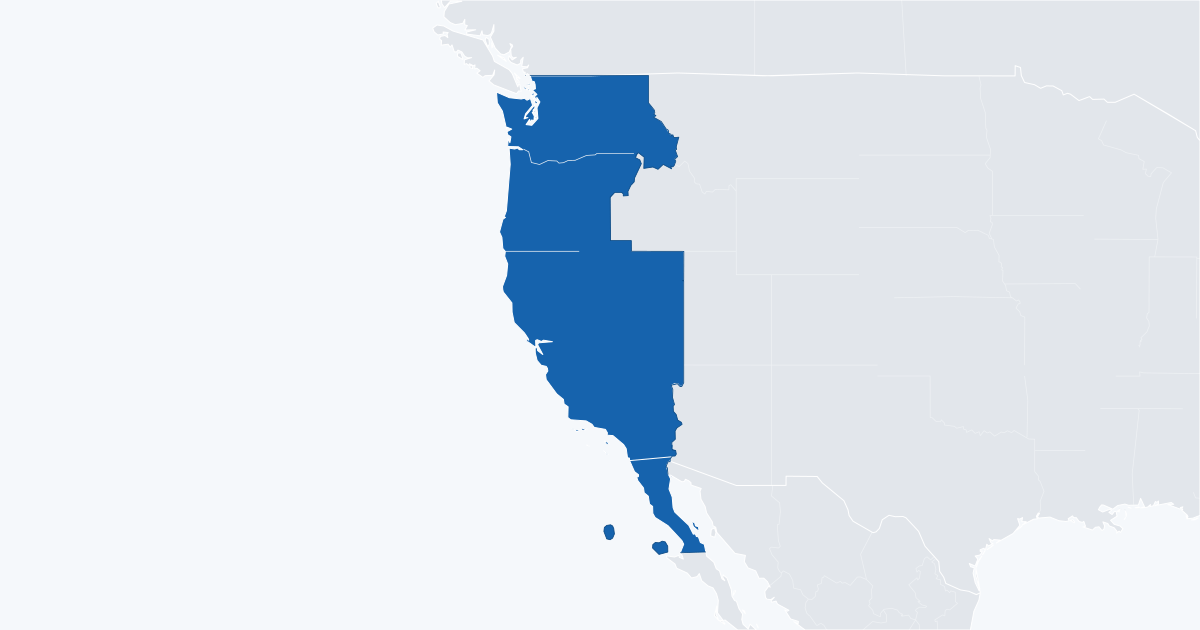
California operates entirely within the Pacific Time Zone, observing Pacific Standard Time (UTC-8) during the winter months and Pacific Daylight Time (UTC-7) during the summer. Governed federally by the U.S. Department of Transportation, the state shifts its clocks twice a year, setting them forward by one hour on the second Sunday in March and back by one hour on the first Sunday in November. This synchronized schedule keeps the Golden State aligned with neighboring western states and forms a critical operational baseline for national commerce, aviation, and digital infrastructure.
History and Establishment of Pacific Time
Standardized time zones across North America didn't always exist. Before November 1883, towns across California set their clocks independently based on local solar noon. As transcontinental railways expanded, managing hundreds of conflicting local times became an operational nightmare for train schedules and passenger safety.
On November 18, 1883, American and Canadian railroads adopted standard railway time, dividing the continent into four distinct vertical time zones. Pacific Standard Time was anchored to the 120th meridian west of Greenwich, establishing a uniform clock for California, Washington, Oregon, and Nevada. The National Institute of Standards and Technology later took over official timekeeping standards, ensuring that telegraph networks, shipping routes, and financial markets could synchronize down to the second.
Standard Time vs. Daylight Saving Time
Understanding California time requires tracking the biannual transition between its two seasonal states.
- Pacific Standard Time (PST): Observed from the first Sunday in November until the second Sunday in March. Clocks sit eight hours behind Coordinated Universal Time (UTC-8).
- Pacific Daylight Time (PDT): Observed from the second Sunday in March until the first Sunday in November. Clocks sit seven hours behind Coordinated Universal Time (UTC-7).
The primary goal of shifting forward in spring is extending evening daylight during warmer months, which historically reduced residential lighting energy consumption and boosted evening retail and recreational activity.
Geographic Scope and Exceptions
Every county, city, and town within California’s 163,696 square miles observes Pacific Time. Unlike states like Oregon or Idaho—which split boundaries between Pacific and Mountain time zones—California sits entirely within the western block.
However, travelers crossing state or international borders must stay alert. California borders Arizona to the southeast, but Arizona does not observe Daylight Saving Time (except for the Navajo Nation in the northeastern corner). For part of the year, California and most of Arizona share the exact same clock, while during summer months, California sits one hour behind Arizona.
Economic and Digital Impact
Operating on Pacific Time positions California as a vital bridge in global logistics and technology. Major technology hubs in Silicon Valley, entertainment giants in Los Angeles, and shipping terminals at the Ports of Los Angeles and Long Beach coordinate with partners across Pacific Rim nations and the East Coast.
When financial markets close in New York at 4:00 PM Eastern Time, it's only 1:00 PM in California, leaving a three-hour window for West Coast firms to finalize afternoon transactions. Similarly, media companies structure prime-time television broadcasts to account for the three-hour gap against Eastern markets, shaping national viewing habits.
Common Mistakes to Avoid
- Confusing UTC offsets: Remember that PST is UTC-8, while PDT is UTC-7. Moving your clocks forward in spring reduces the numerical offset because you are getting closer to Greenwich.
- Assuming all western states match year-round: Keep Arizona's lack of daylight saving time in mind when scheduling cross-border meetings during the summer.
- Forgetting mobile auto-adjustments: While smartphones handle time zone shifts automatically, older analog clocks, manual wristwatches, and legacy server environments require manual intervention during clock-change weekends.
Frequently Asked Questions
Does all of California use the same time zone?
Yes. Every county in California, from Crescent City near the Oregon border to San Diego in the south, operates on Pacific Time.
When do clocks change in California?
Clocks move forward one hour at 2:00 AM on the second Sunday of March and fall back one hour at 2:00 AM on the first Sunday of November.
Does California want to abolish Daylight Saving Time?
Lawmakers and voters have floated proposals for permanent daylight saving time, but any permanent shift requires federal approval under the Uniform Time Act, which Congress has not yet granted.
How does Pacific Time compare to Eastern Time?
California is always three hours behind the Eastern Time Zone, regardless of the time of year, because both regions observe Daylight Saving Time on the exact same schedule.



