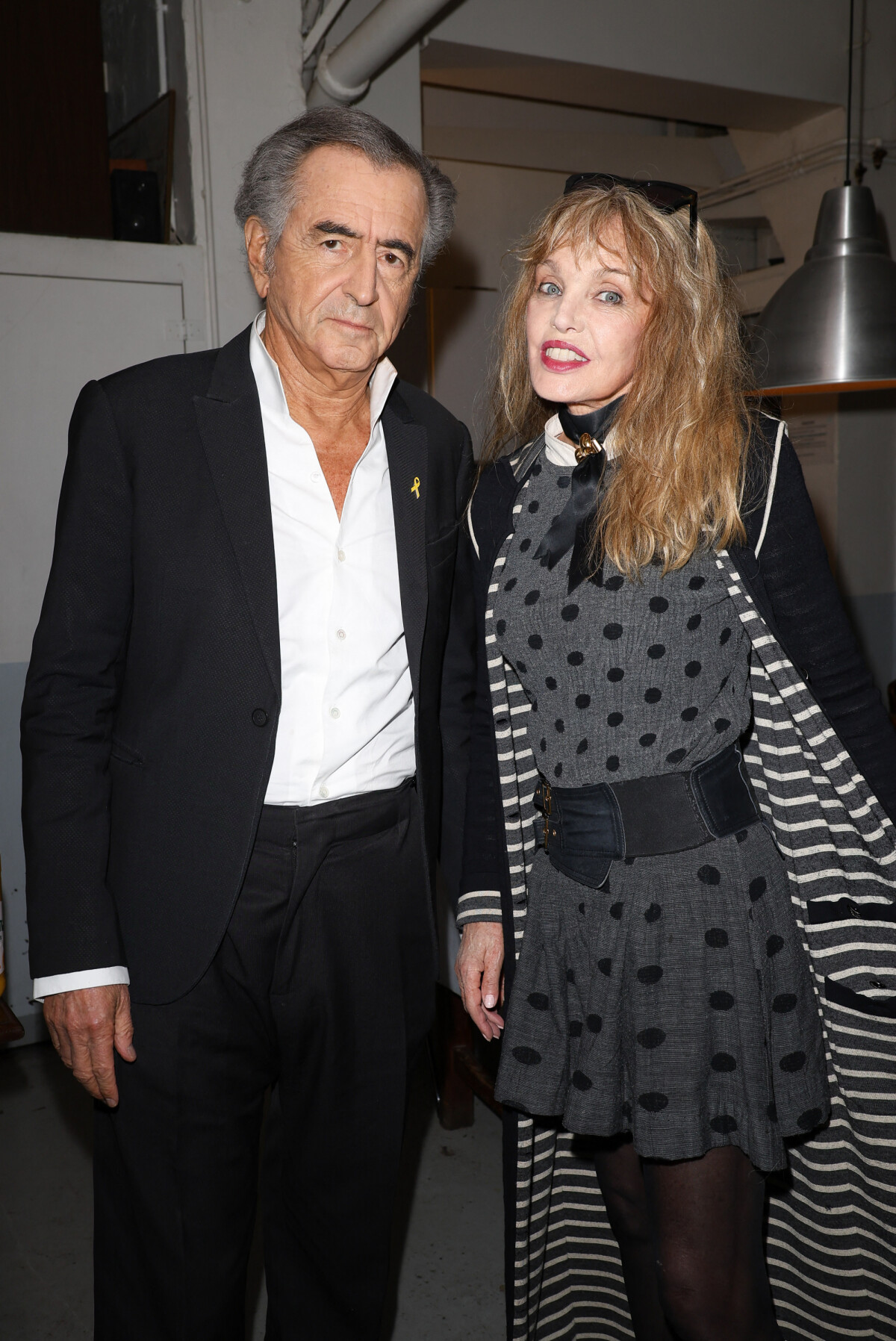
Bruce Willis commands an estimated net worth of $250 million, built over a four-decade career spanning blockbuster action films, television icons, and strategic business investments. Following his retirement from acting due to frontotemporal dementia, public interest shifted toward how he amassed this fortune, how his estate is managed, and how backend film deals transformed his income long after production wrapped.
Unlike many stars who rely solely on upfront salaries, Willis capitalized on profit-participation deals and smart equity arrangements early on. His financial footprint encompasses high-grossing franchises, television syndication, property portfolios, and endorsement contracts, securing a legacy that extends well beyond his work on screen.
The Foundation: Breakthrough Television and Early Paychecks
Before becoming a defining action hero, Willis broke through on the small screen. His starring role as private investigator David Addison Jr. in the comedy-drama series Moonlighting launched him into mainstream prominence. Airing from 1985 to 1989 on ABC, the show earned him both an Emmy Award and a Golden Globe, alongside a substantial salary bump that set the stage for his cinematic career.
Transitioning to feature films required a risk that paid off permanently in 1988. Cast as John McClane in Die Hard, Willis accepted an upfront salary of $5 million—a high figure for the era, but one paired with a brilliant backend negotiation. As sequels materialized, his compensation scaled dramatically:
- Die Hard (1988): $5 million upfront plus box-office bonuses.
- Die Hard 2 (1990): $7.5 million.
- Die Hard with a Vengeance (1995): $15 million.
- Live Free or Die Hard (2007): $25 million.
Across the entire franchise, Willis earned well over $100 million, cementing the character as one of the most profitable intellectual properties for any individual actor in Hollywood history.
Masterclass in Backend Deals: The Sixth Sense and Beyond
While upfront paychecks defined much of the 1990s, Willis orchestrated one of the most lucrative backend deals in entertainment history with 1999’s psychological thriller The Sixth Sense. Instead of demanding his standard top-tier fee, he accepted a reduced upfront salary of $14 million in exchange for a significant percentage of the film's box office gross.
The movie became a massive cultural phenomenon, grossing over $670 million worldwide. That single negotiation netted Willis an estimated total payout exceeding $100 million, making it a masterclass in betting on project quality over guaranteed initial fees. He replicated this strategy with films like Unbreakable (2000), where he commanded a $20 million upfront salary alongside profit points, pushing his earnings in peak years like 2000 to roughly $55 million.
Business Ventures, Equity, and Endorsements
Willis expanded his income streams beyond cinema through targeted commercial partnerships and equity stakes. In the late 2000s, he signed a landmark endorsement and equity agreement with Sobieski Vodka. Rather than acting merely as a paid spokesperson, he acquired a 3.3% ownership stake in Belvedere SA, the brand's parent company. When the company was later acquired or restructured, that equity position yielded substantial financial returns, proving his acumen in corporate partnerships.
Music and syndication further insulated his wealth. In 1987, he released his debut blues-rock album, The Return of Bruno, via Motown Records, which achieved platinum certification and spawned a Billboard hit. Residual checks from decades of television syndication for Moonlighting and constant cable and streaming broadcasts of his action catalog continue to generate passive revenue streams.
Real Estate Portfolio and Asset Management
Real estate formed another core pillar of the Willis financial empire. Over the decades, he acquired and strategically flipped high-value properties across the United States. Notable holdings included:
- A sprawling estate in Sun Valley, Idaho.
- A beachfront property in Parrot Cay, Turks and Caicos.
- Luxury penthouses and apartments in New York City.
- Central California ranch properties.
Liquidating several of these large properties over the years allowed his financial team to reallocate capital into secure, diversified holdings. Following his retirement from acting due to health developments, management of these assets transitioned to his family, led by his wife Emma Heming Willis, alongside specialized legal and financial advisors to ensure long-term preservation for his five daughters.
Common Misconceptions About Celebrity Net Worth
Public estimates regarding celebrity fortunes often rely on generalized assumptions rather than audited financial disclosures. When evaluating a figure like $250 million, several factors are frequently misunderstood:
- Gross Versus Net Earnings: Total career box office gross does not equal personal wealth. Taxes, agent commissions, legal fees, and personal overhead significantly reduce lifetime take-home pay.
- Valuation Fluctuations: Real estate values and private equity stakes shift with economic cycles, meaning net worth is an estimated snapshot rather than a static bank balance.
- Residual Continuity: Even without active filming, intellectual property ownership ensures that ongoing licensing, streaming rights, and merchandise continue to feed the estate.
Frequently Asked Questions
How did Bruce Willis build the majority of his wealth?
His wealth stems primarily from high-tier film salaries, aggressive backend box-office profit participation (most notably from The Sixth Sense), long-running franchise deals like Die Hard, strategic real estate investments, and equity partnerships such as his deal with Sobieski Vodka.
Who manages the Willis estate today?
Following his retirement and public health updates regarding frontotemporal dementia, financial and legal affairs are managed by his family—principally his wife Emma Heming Willis—working alongside professional wealth management advisors.
Do retired actors still receive income from past projects?
Yes. Through union-backed residuals from SAG-AFTRA, streaming licensing agreements, syndication rights for television, and merchandise royalties, classic films and shows continue to generate steady passive income.
What was Bruce Willis's highest-paying single movie role?
While Die Hard with a Vengeance and Live Free or Die Hard paid massive salaries up to $25 million, his most lucrative single project was The Sixth Sense. Because of his backend gross-participation deal, his total earnings for the film surpassed $100 million.